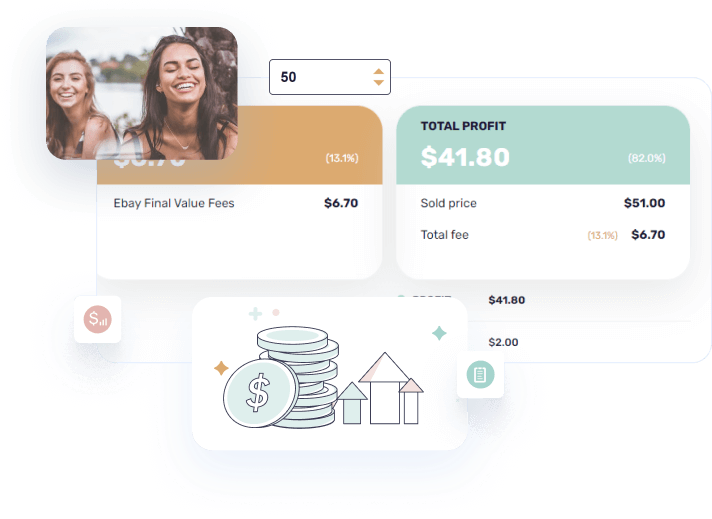
Our eBay Fees Calculator will help you calculate your eBay profits accurately, so you'll know exactly how much you're spending and profiting from your eBay business.
Once a student successfully logs in, they are directed to the User Profile Dashboard (UPD). Understanding this interface is critical for navigation.
What neither the platform nor its creators fully anticipated was the social ripple. Electude’s UPD tracked tendencies not only at the individual level but used cohort data to suggest 'optimized group tracks.' When the system noticed clusters of students who learned similarly, it proposed synchronized modules for them — making lab rotations and mentor pairings more efficient. At first it was a logistical win: less waiting, more hands-on time. But patterns hardened into expectations. Those tagged as “rapid consolidators” received complex simulations earlier; those the system labeled “methodical” were shepherded into foundational drills longer.
Allows students to manage personal settings, such as language preferences and password updates. 3. The "Discovery-Based" Learning Experience
1. Take the product you are selling, copy its eBay Item ID or the full item link and paste to the Item ID field. Then, our eBay fee calculator takes the product’s price directly from eBay, calculating any fees and profits associated with the product. To ensure the most accurate results possible, please pick the relevant information from the fee calculator’s filters. This includes giving accurate information about store subscription, top rated plus, etc.
2. Get results instantly by filling out the product’s selling price, shipping costs, product costs, etc. Include any other properties such as store subscription or top rated seller status.

Once a student successfully logs in, they are directed to the User Profile Dashboard (UPD). Understanding this interface is critical for navigation.
What neither the platform nor its creators fully anticipated was the social ripple. Electude’s UPD tracked tendencies not only at the individual level but used cohort data to suggest 'optimized group tracks.' When the system noticed clusters of students who learned similarly, it proposed synchronized modules for them — making lab rotations and mentor pairings more efficient. At first it was a logistical win: less waiting, more hands-on time. But patterns hardened into expectations. Those tagged as “rapid consolidators” received complex simulations earlier; those the system labeled “methodical” were shepherded into foundational drills longer.
Allows students to manage personal settings, such as language preferences and password updates. 3. The "Discovery-Based" Learning Experience
© 2026 Jolly Plaza — All rights reserved.
eBay Fees
eBay Insertion Fee
eBay Title