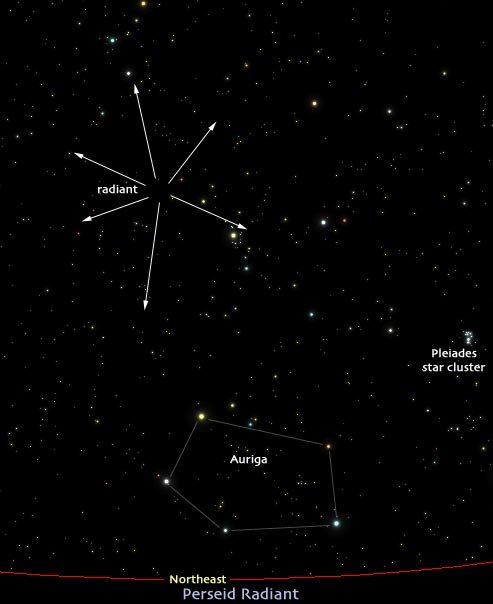
Perseid meteor shower
This shower peaks in mid-August, when Earth intersects the dust cloud left by comet Swift-Tuttle.


For decades, popular media was a one-way street. You sat in a theater, watched a broadcast, or read a magazine. Today, the landscape is defined by .
Elias realizes that Zenith's algorithms are using "Popular Media" to subtly change how people remember history. By inserting fake clips into classic movies and altering song lyrics in real-time, they are controlling the cultural narrative. vixen161221keishagreyalmostcaughtxxx10 hot top
Shows like Squid Game (South Korea) or Money Heist (Spain) have proven that language is no longer a barrier to becoming a global phenomenon. Entertainment content is increasingly reflecting a multi-faceted world, allowing audiences to see themselves represented in stories that were previously gatekept by traditional studios. Transmedia Storytelling: Worlds Beyond the Screen For decades, popular media was a one-way street
In conclusion, popular media is no longer just a mirror reflecting society; it is the infrastructure through which we experience reality. While the digital age has provided unprecedented access to information and global connectivity, it requires a more discerning audience to navigate the sheer volume of content. As the industry continues to evolve, the challenge will be to balance technological efficiency with the human need for meaningful, shared storytelling. economic impact of the "Streaming Wars"? Are you interested in the psychological effects of social media algorithms? Should we look at how AI is changing film and music production? Let me know which sounds most interesting to you! Elias realizes that Zenith's algorithms are using "Popular
from the Vixen studio, likely released around December 21, 2016. Since your request is to "create a post" based on this,